
DOCUMENT
Documenting what authoritarian systems try to hide.
CASLA preserves testimony, identifies patterns of repression, and builds an evidentiary record that can support public understanding, historical memory and accountability.
CASLA / Human Rights & Documentation
Human Rights & Documentation
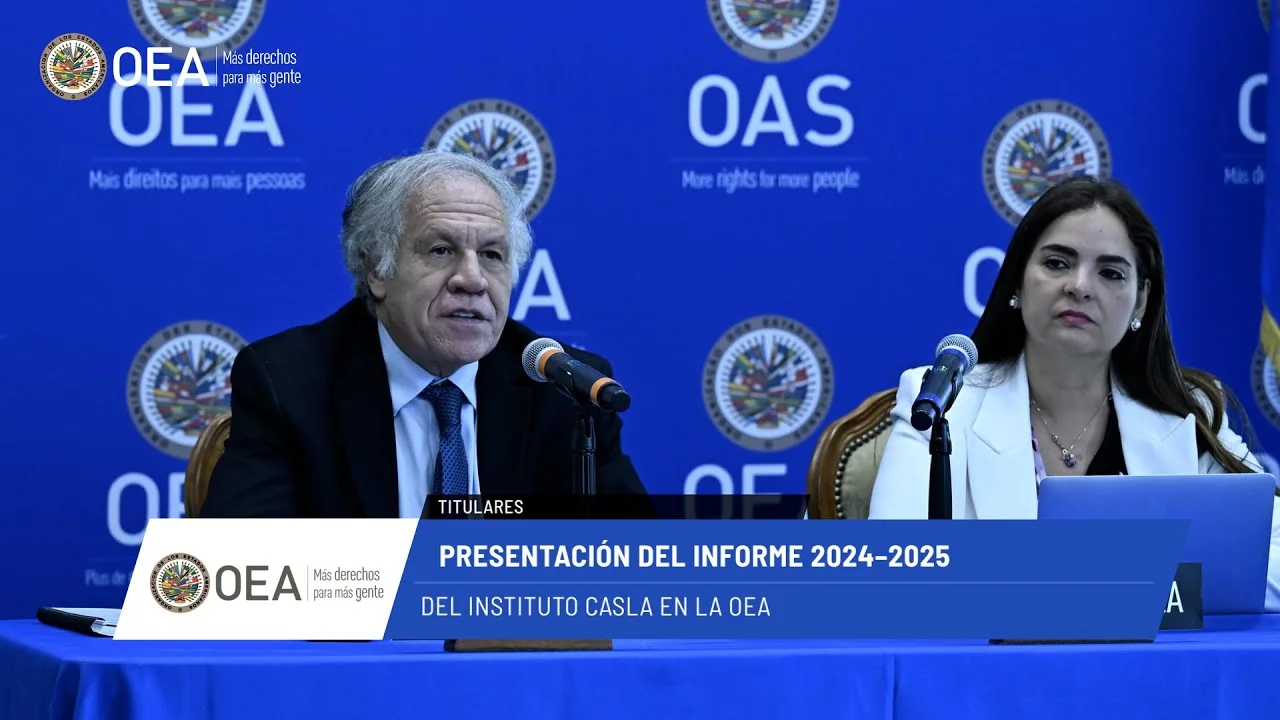
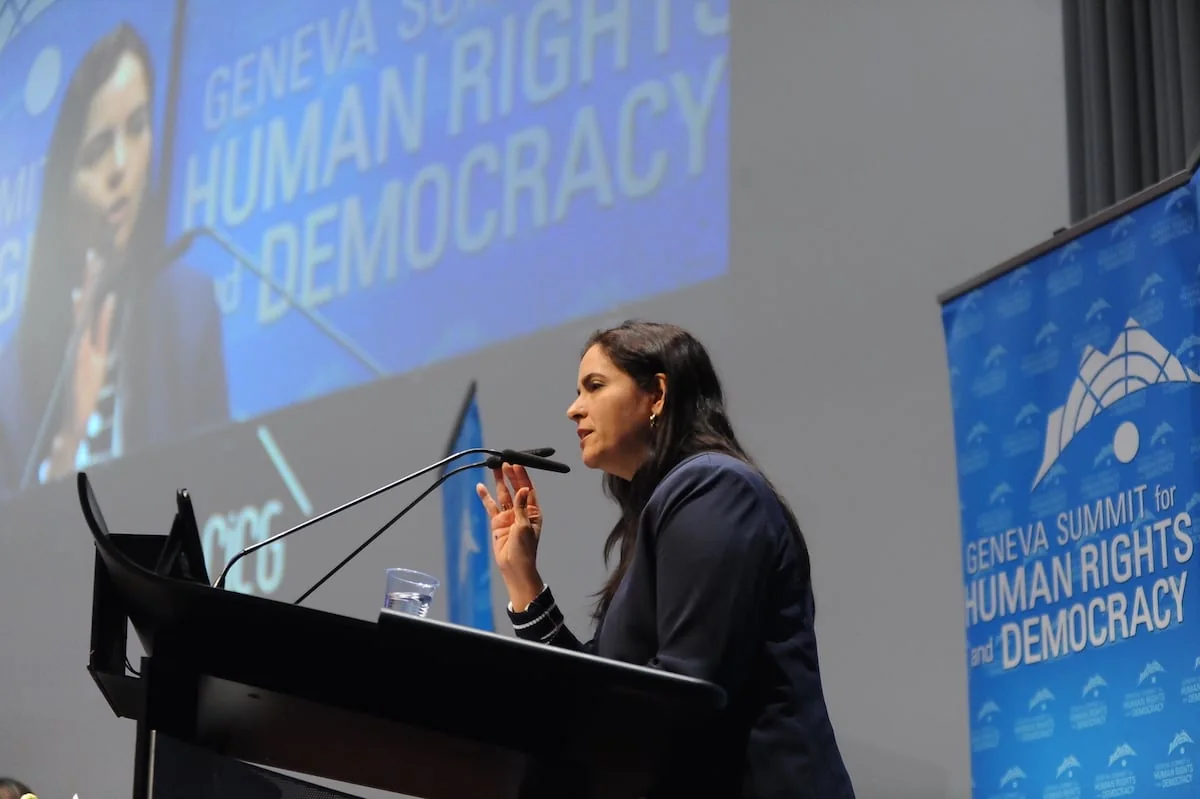
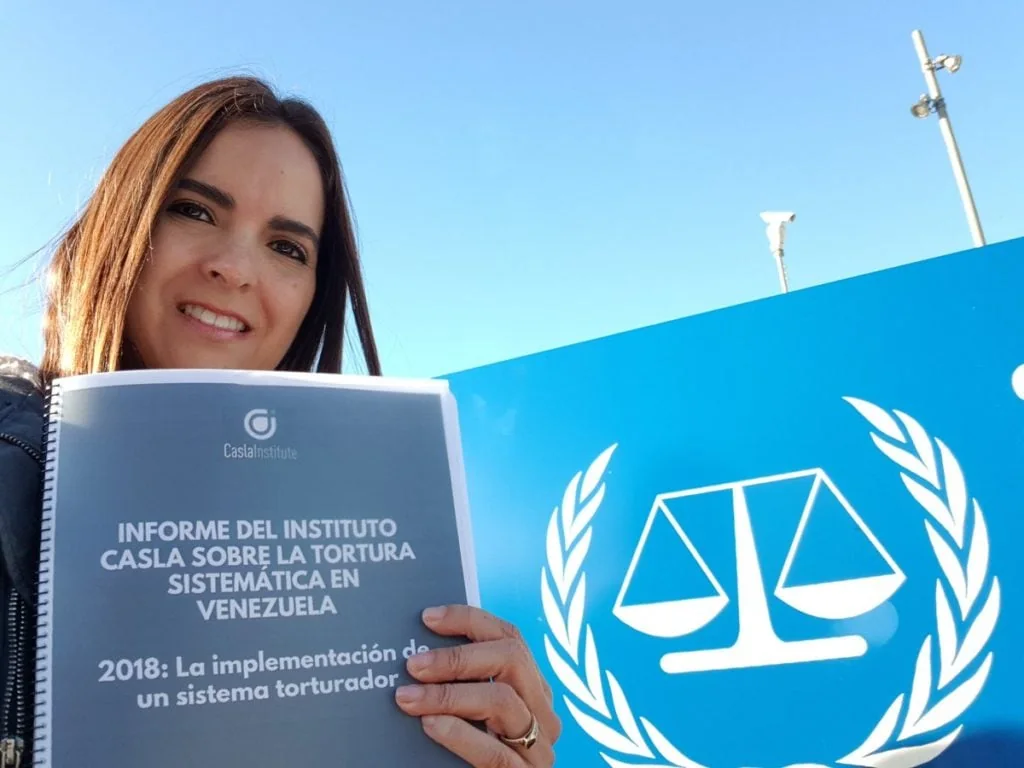
CASLA’s human-rights work is built around testimony, documentation of detention and torture, analysis of recurring patterns, and reports designed to preserve a record that can be used by institutions, journalists, researchers and advocates.
Documentation pathway
From first-hand testimony to a record that can move into public, institutional and accountability processes.
01Receive testimonyPreserve first-hand accounts and individual case documentation.
02CorroborateCross-check evidence, context and supporting information.
03Identify patternsConnect cases to recurring practices, institutions and systems of repression.
04Publish / referOrganize the record for public understanding, advocacy and institutional use.
DOCUMENTATION IN PRACTICE
From testimony to a record that can travel.

Next