
One institution. A connected response to authoritarianism.
CASLA Institute brings together human rights documentation, international accountability, democratic-transition expertise, and digital security to address the challenges of authoritarian rule and democratic renewal.
Experience that travels.
About CASLA
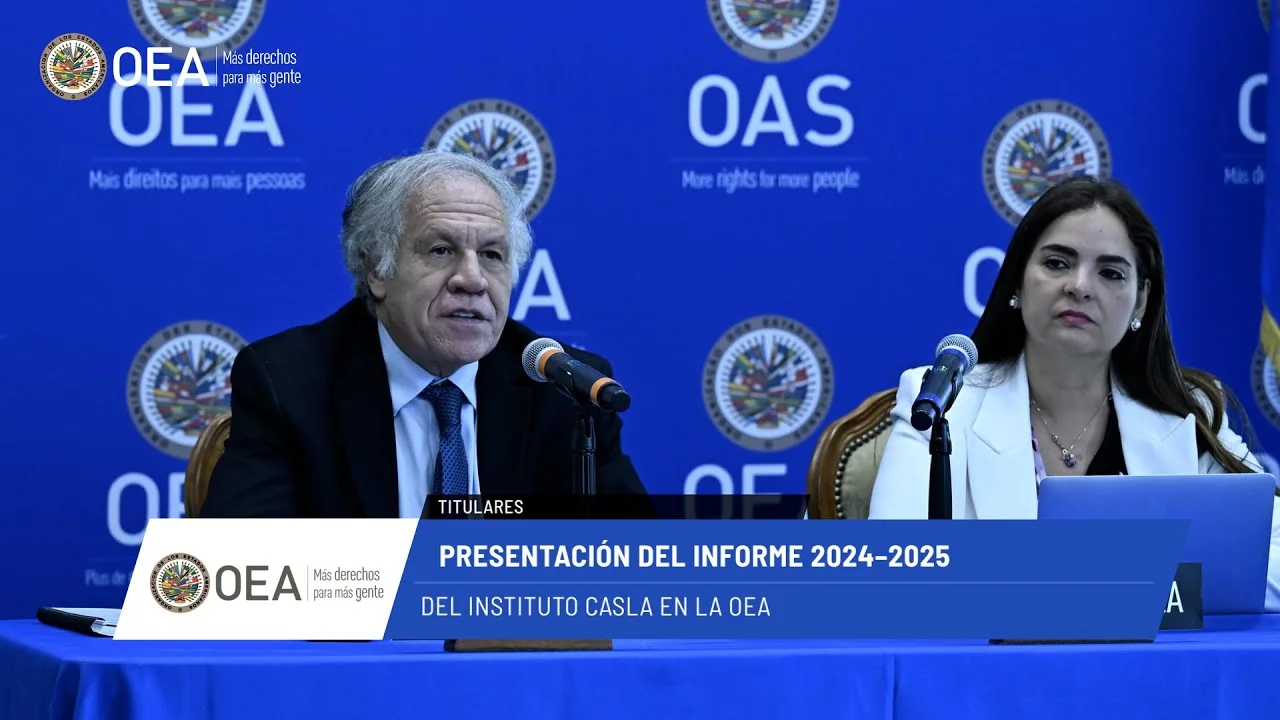
CASLA is an independent institute based in Prague, working at the intersection of human rights, accountability, and democratic development.
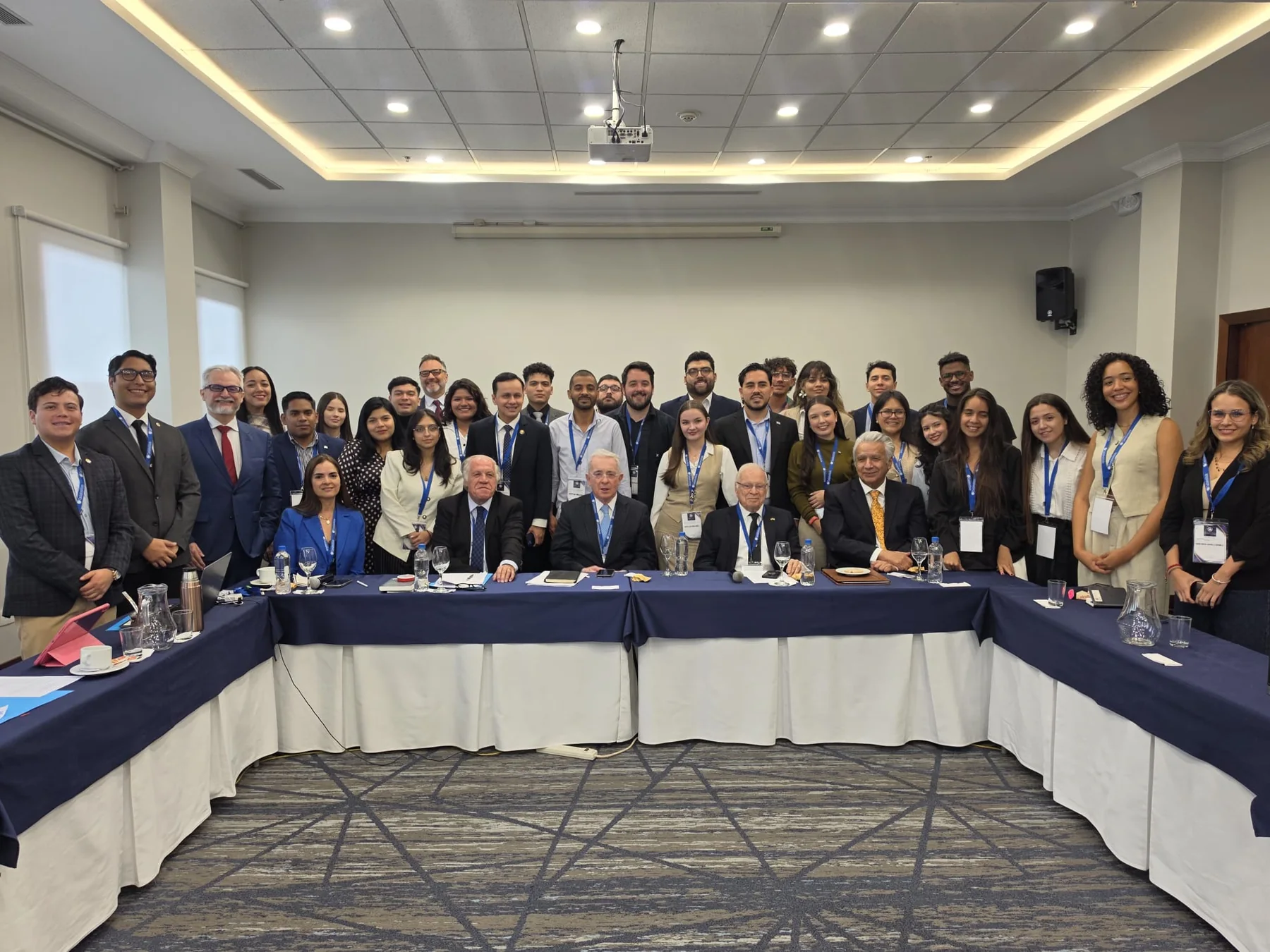
Informed by Central Europe’s experience of democratic transformation and engaged with the challenges facing Latin America, CASLA connects regional expertise with international perspectives. Its work brings together researchers, advocates, public figures, and institutions to address repression, defend human dignity, and explore how democratic institutions can be strengthened and rebuilt.
By connecting these areas of work, CASLA links the defense of human rights today with the longer-term challenges of democratic transition and renewal.
How our work connects
Human rights
Preserving testimony, evidence, and records of repression.
Explore 02 / DefendHuman dignity
Defending political prisoners and amplifying the voices of victims and families.
Explore 03 / Pursue JusticeInternational accountability
Bringing evidence to institutions and mechanisms capable of addressing human rights abuses.
Explore 04 / PrepareDemocratic transition
Drawing on comparative experience to develop leadership and strengthen institutions for democratic renewal.
Explore 05 / ProtectDigital freedom
Addressing surveillance, cyber threats, information manipulation, and risks to democratic space.
Explore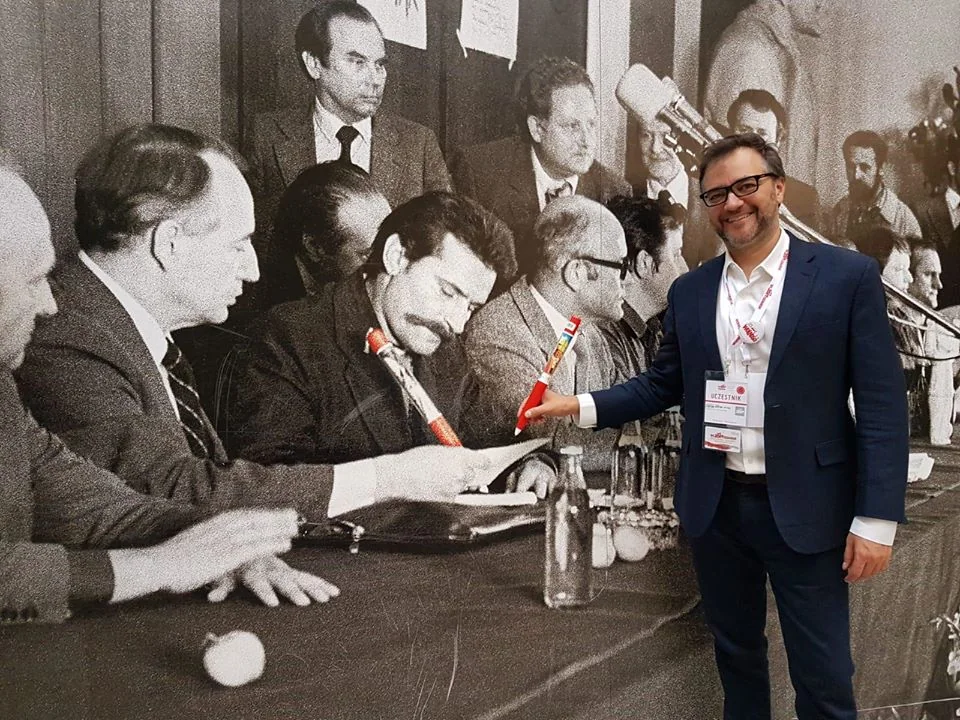
Central Europe ↔ Latin America
CASLA does not treat democratic transitions as formulas to copy. It treats them as experience to study.
Successes, failures, compromises, institutions, leadership choices and historical memory become practical material for societies confronting their own transitions.